Research pending Restaurants in United Kingdom Are Losing Money Because of Slow Page Speed
Speed optimization to reduce bounce rates and improve conversions. This isn't theory - these are real businesses bleeding money right now. And they NEED what you're selling.
Research pending
In United Kingdom
Research pending
31% est. have this defect
+32%
Bounce probability rises when load time goes from 1s to 3s
* Estimates based on No sourced market-size figure yet for restaurants in United Kingdom; defect rate source: National Restaurant Association Technology Landscape Report 2024 · Visibility: Google/SOASTA mobile speed research, 2017.
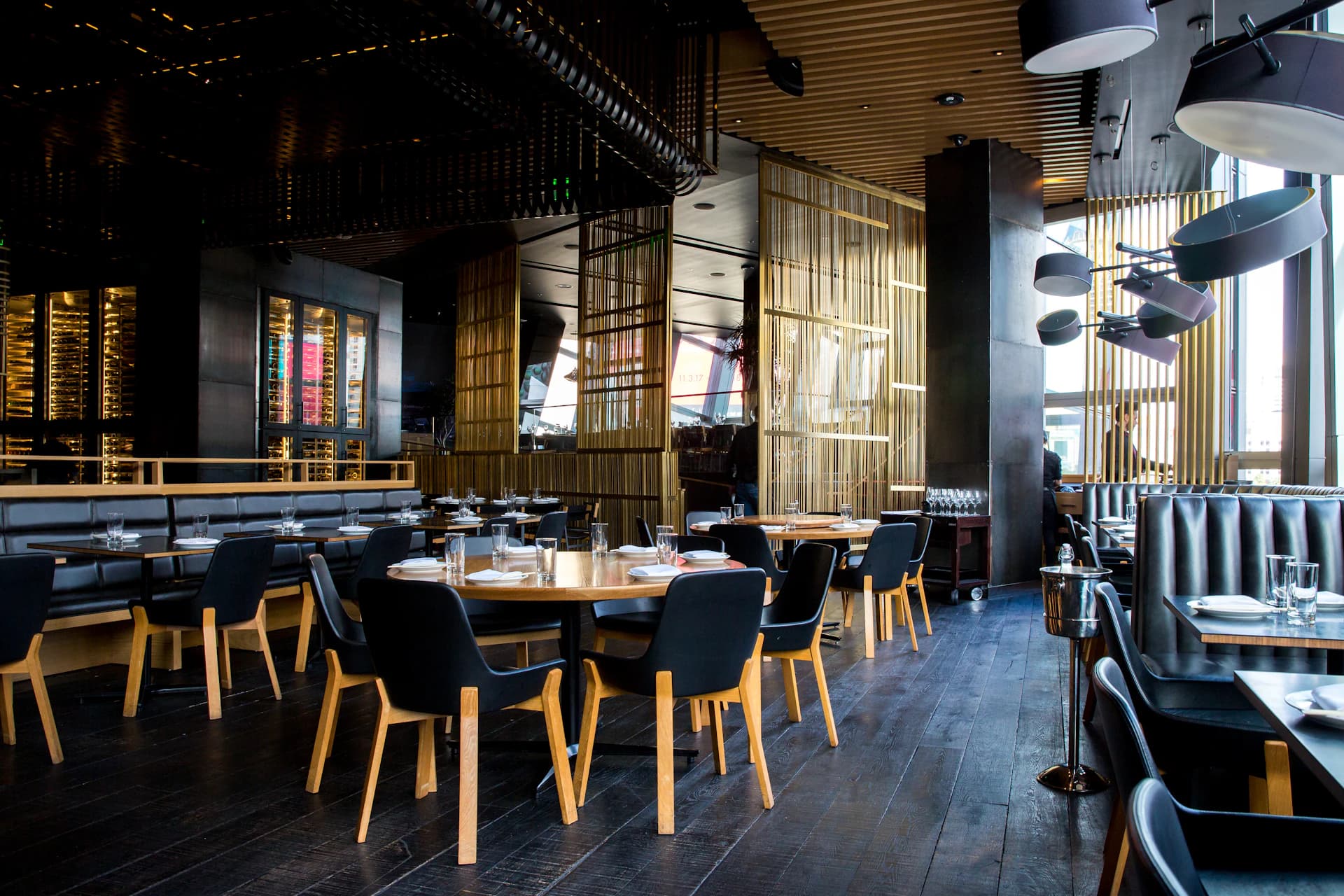
Why Restaurants with Slow Page Speed Are a Goldmine
Look, I've been in this game for years. I've seen agencies waste time cold-calling businesses that don't need anything. But restaurants with slow page speed? These are easy wins.
People check menus online before visiting. If they can't find yours, they choose a competitor
Online ordering now represents 30%+ of revenue, but it requires a website or app to capture it
Google Maps shows 'Menu not available' if no website is linked. That alone kills walk-ins
Bad reviews stick around longer without a website to tell your story and showcase your food
The Real Impact
53% of mobile users abandon sites that take over 3 seconds to load
Translation: Every single restaurant with slow page speed is bleeding money. Your job is to show them exactly how much, and offer to fix it.
UK Restaurants: The Website Gap Is Costing Owners Thousands Per Month
The UK restaurant industry employs over 1.7 million people across 90,000+ establishments. Despite this scale, nearly 40% of independent restaurants in the UK have no functional website, relying instead on Just Eat listings, Deliveroo profiles, and Google Maps alone.
The commission problem is acute: Just Eat charges UK restaurants 14% commission, Deliveroo up to 30%. A restaurant turning over £8,000/month in delivery orders pays £1,120–£2,400 in platform fees. A website with direct ordering eliminates most of this cost within weeks of launch.
Post-Brexit and post-pandemic, UK restaurant owners are under enormous financial pressure. A website pitch that leads with "reduce your Just Eat commission by 80%" is the most compelling opening line in your sales toolkit right now.
How Much Can You Charge?
Here's the thing: restaurants aren't cheap. They make good money, and they know a website is an investment. Don't lowball yourself.
Typical Project Pricing for Slow Page Speed
Low End
£650
Basic solution, template-based
Mid Range
£1,200
Custom design, professional quality
High End
£2,400
Full-service, ongoing support
What's included: Performance audit, image optimisation, caching configuration, CDN setup, and Core Web Vitals fixes
How You Stack Up
| Option | Time | Cost | Quality | Support |
|---|---|---|---|---|
| DIY / Fiverr | 2–4 weeks | $100–500 | Low | None |
| Web Agency | 4–8 weeks | $3,000–10,000 | High | Good |
| WordPress Template | 1–2 weeks | $500–1,500 | Medium | Limited |
| Your Service | 2–3 weeks | $2,000–5,000 | High | Excellent |
Best Ways to Reach Restaurants
Not all outreach methods work the same for every industry. Here's what actually works for restaurants:
Cold Call
Call between 9–11 AM on Tuesday–Thursday. Have their Google Maps listing open. Lead with "I saw you don't have a website. You're losing leads every day."
Subject: "Quick question about [Business Name]'s website". Keep it under 100 words. Include a mockup screenshot if possible.
Direct Mail
Send a postcard with their Google Maps listing screenshot and "You're missing 200+ customers per month without a website."
Walk-In
For local businesses, visit during off-peak hours and speak directly with the owner. Come prepared with a one-page competitive analysis.
Objections You'll Hear (And How to Handle Them)
Look, restaurants will push back. They always do. But if you're prepared, these objections are easy to overcome:
"We are already on DoorDash and Uber Eats"
Your response: That's great for delivery, but those platforms charge 15–30% commission on every order. A website with direct ordering pays for itself in 1–2 months and then every order is pure margin. You keep the customer data too.
"We do not have time to manage a website"
Your response: You don't manage it. We build it, maintain it, and update the menu when you need us to. Your job is to cook. Ours is to make sure customers find you online.
"I get enough business from referrals"
Your response: That's great, but what happens when referrals slow down? A website is insurance for lean months. Plus, referrals often Google you before calling to verify you're legitimate.
"Websites are too expensive"
Your response: A basic site costs $2,000–$5,000 one-time. If it brings you ONE extra client per month, it pays for itself in 60 days. The real cost is losing clients to competitors who do have sites.
How The Harbour Table Reduced Just Eat Fees and Doubled Reservations in Bristol
SITUATION
The Harbour Table in Bristol had been trading for 6 years, running almost entirely through Just Eat for delivery and phone bookings for dine-in. With no website, they had no control over their brand, no way to take direct reservations, and were paying 14% commission on every delivery order.
ACTION
We built a 6-page website with an online reservation system, full menu, gallery of dishes, and a direct delivery ordering option. Local SEO targeted "restaurant Bristol waterfront" and "Sunday roast Bristol", high-intent terms with strong local search volume.
RESULT
Within 75 days, The Harbour Table was taking 60 online reservations per month directly through the website, up from zero. Just Eat commission costs dropped by 35% as regulars shifted to direct ordering. The website generated £1,900/month in commission savings alone, paying for itself in under 8 weeks.
How to Find These Leads Automatically
Stop wasting time scrolling Google Maps manually. I'll show you how to pull Research pending restaurants with slow page speed in less than 10 minutes:
Enter Your Search
Type "Restaurants" and select "United Kingdom" as your target location.
Auto-Detect Defects
Our scanner automatically identifies businesses with slow page speed.
Export & Start Pitching
Download a CSV with business name, phone, address, and defect details.
Choose a plan to unlock these leads
Frequently Asked Questions
How many restaurants in my area actually have this problem?
Based on our data, approximately 31% of restaurants have slow page speed. In a mid-sized city, that is typically 200–500 potential clients, and our tool surfaces them in minutes.
What is the best way to pitch restaurants?
Restaurants respond best to direct, value-focused outreach. Lead with a specific number: how many customers they are losing, or how much revenue the defect is costing them. Offer a free audit or mockup. Avoid jargon: talk about customers and revenue, not "SEO" and "UX."
How much can I charge for fixing slow page speed?
Speed optimization to reduce bounce rates and improve conversions. Typical project pricing ranges from $800 to $3,000, depending on scope and market. Premium clients in high-revenue industries like HVAC or law will pay toward the top of that range.
Do restaurants actually need websites, or is social media enough?
Social media is useful for engagement but it cannot replace a website. Restaurants need a website to: (1) rank in Google search results for local queries, (2) look professional and credible to new customers, (3) control their brand narrative and collect their own customer data, and (4) convert visitors into leads with forms, booking systems, and clear calls to action.
The Numbers Don't Lie
17% of US small businesses still have no website as of 2025
Source: Clutch State of Small Business Websites 2025
87% of consumers use Google to evaluate local businesses before visiting
46% of all Google searches have local intent. Businesses without websites are invisible to nearly half of all search activity
Source: Search Engine Watch, 2023
Local businesses with a website generate 39% more revenue per year than those without one
Source: Deloitte Digital Divide Study, 2022
Other Industries with Slow Page Speed in United Kingdom
Hair Salons & Barbers
Hair salons, barbershops, and beauty services
Gyms & Fitness Centers
Fitness centers and personal training studios
Photographers
Professional photography services and studios
Accountants & CPAs
Accounting firms and tax preparation services
Lawyers
Law firms and legal practitioners
Auto Repair Shops
Auto mechanics and vehicle repair services
Research pending Restaurants Are Waiting for Your Solution
Every hour you wait, your competitors are closing these deals. Get started now and claim these leads before someone else does.
Get Started with ProUpgrade to Pro for AI insights, more contacts, and deeper audits.